
Know. Act. Report.
ASB can have a big impact on you and your family, so we take reports of ASB very seriously.
In an emergency, always call 999. For non-emergencies, call 101.
Experiencing anti-social behaviour?
We’re here to help. We aim to contact you within 5 working days of receiving a report.
Find out how to report ASB, what support is available and how we can work with you to resolve issues safely and effectively.
What is ASB?
ASB occurs when someone is causing harm or distress to people outside their home in the neighbourhood. ASB is:
Arson

Anti-social drinking

Intimidation, harassment and verbal abuse

Loud Noise & Parties

Dangerous or uncontrolled animals

Dumping rubbish

Shouting, swearing and fighting
Vehicle interference or damage

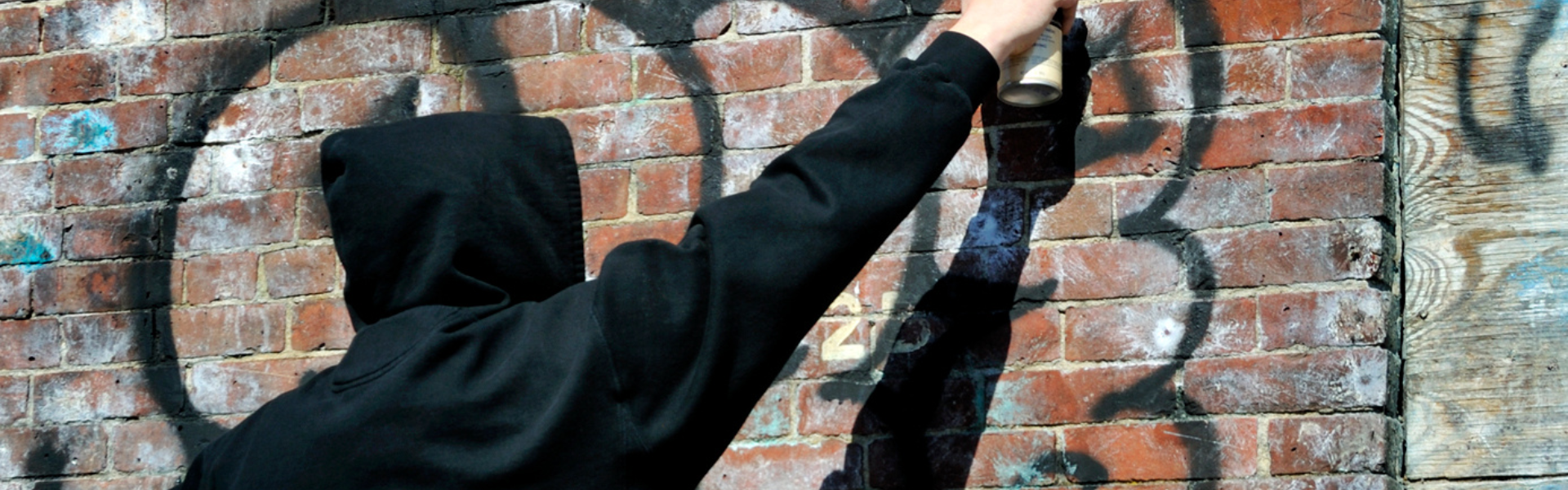
Graffiti and vandalism

Unsafe driving or inconsiderate parking

Property Damage

Loitering and nuisance behaviour
Not all noise is Antisocial Behaviour
While some activities and actions make more noise than others as we go about our everyday lives, not all noise is ASB.
Things like:
- Household activities like using the washing machine or the hoover, walking or closing doors
- Babies crying
- People talking loudly
- Low-level sounds from TVs or radios
- Children playing
- One-off parties or occasional noise
- Babies crying
- Lifestyle differences
- General disagreements between neighbours
- Everyday living noise
These aren’t antisocial behaviour.
Where appropriate we may still offer advice and support to help resolve disputes between neighbours.
Our Service Standards
When you report ASB to Unity:
- We will acknowledge and assess your report.
- We aim to make contact within 5 working days.
- We will agree an action plan with you.
- We will keep you updated throughout the case.
- We will explain what action we can and cannot take.
- We will work with partner agencies where appropriate.
Some serious incidents may require an immediate response.
Evidence is often vital when investigating anti-social behaviour.
Useful evidence may include:
- Dates and times of incidents
- Incident diary sheets
- Photographs
- Video footage
- Audio recordings (where appropriate)
- Police crime reference numbers
- Witness statements
- CCTV footage
The more information available, the easier it is for us to investigate.
Taking Enforcement Action
Where informal measures have not resolved the issue, we may consider enforcement action.
This could include:
- Written warnings
- Acceptable Behaviour Agreements
- Community Protection Warnings
- Community Protection Notices
- Injunctions
- Possession proceedings
- Closure Orders
- Partnership enforcement with police or local authority
The action taken will depend upon:
- The severity of the behaviour
- The evidence available
- The impact on victims
- Whether previous interventions have been successful
Early Intervention
- Speak with those involved
- Issue warning letters
- Conduct visits
- Agree Acceptable Behaviour Agreements
- Signpost to support services
Mediation
Many neighbour disputes can be resolved through mediation.
Mediation is a confidential process where an independent person helps residents discuss issues and find practical solutions.
This can often resolve issues without the need for legal action.
Multi-Agency Working
We regularly work alongside:
- Leeds City Council
- West Yorkshire Police
- Social Services
- Health Services
- Youth Services
- Community Safety Teams
This helps ensure residents receive the most appropriate support.
Hate Crime and Hate Incidents
We have zero tolerance for hate crime.
A hate incident may relate to:
- Disability
- Race or ethnicity
- Religion or belief
- Sexual orientation
- Transgender identity
All reports will be treated seriously and, where appropriate, will be referred to partner agencies.
Helplines & Resources
Support for Victims
For complex or persistent anti-social behaviour cases, we may work alongside the Leeds Anti-Social Behaviour Team (LASBT).
LASBT is a multi-agency service made up of Leeds City Council, West Yorkshire Police, West Yorkshire Fire Service and other partner organisations. They can assist with persistent anti-social behaviour, community safety concerns and enforcement action where appropriate.
Telephone: 0113 222 4402
Email: [email protected]
Opening Hours: Monday to Thursday 9.00am to 5.00pm, Friday 10.00am to 5.00pm.
For residents living in Kirklees, support is available through Safer Kirklees, a partnership between Kirklees Council, West Yorkshire Police and other agencies.
They can provide advice, support and intervention in cases involving anti-social behaviour, neighbour disputes and community safety concerns. Mediation and other early intervention measures may also be available.
Telephone: 01484 221000
Email: [email protected]
The Childline website has lots of advice and support for children and young people experiencing abuse.
If you have information about people who commit hate crimes and do not want to talk to the police, you can contact Crimestoppers anonymously. You don’t have to give your name. You will never have to give a statement to police, or go to court.
DAVSS is an award winning community based charity supporting any victims of domestic abuse, aged 16 years and above, in West Kent. Using a unique and highly effective professional volunteering model, it provides vital support to clients who’ve experienced domestic abuse.
A confidential helpline for any man experiencing domestic violence and abuse from a partner (or ex-partner).
The National Domestic Abuse Helpline supports women experiencing domestic abuse. Call for free and in confidence on 0808 2000 247.
You can find help and support from the National Stop Hate UK website and 24 hour help line on 0800 138 1625.
The National Society for the Prevention of Cruelty to Children is a British child protection charity.
To contact an NSPCC professional counsellor any time of day for help, advice and support, please visit their website.
Victim Support is the national charity giving free and confidential help to victims of crime, witnesses, their family, friends and anyone else affected. They aren’t a government agency or part of the police and you don’t have to report a crime to the police to get their help. You can call any time after the crime has happened, whether it was yesterday, last week or several years ago.