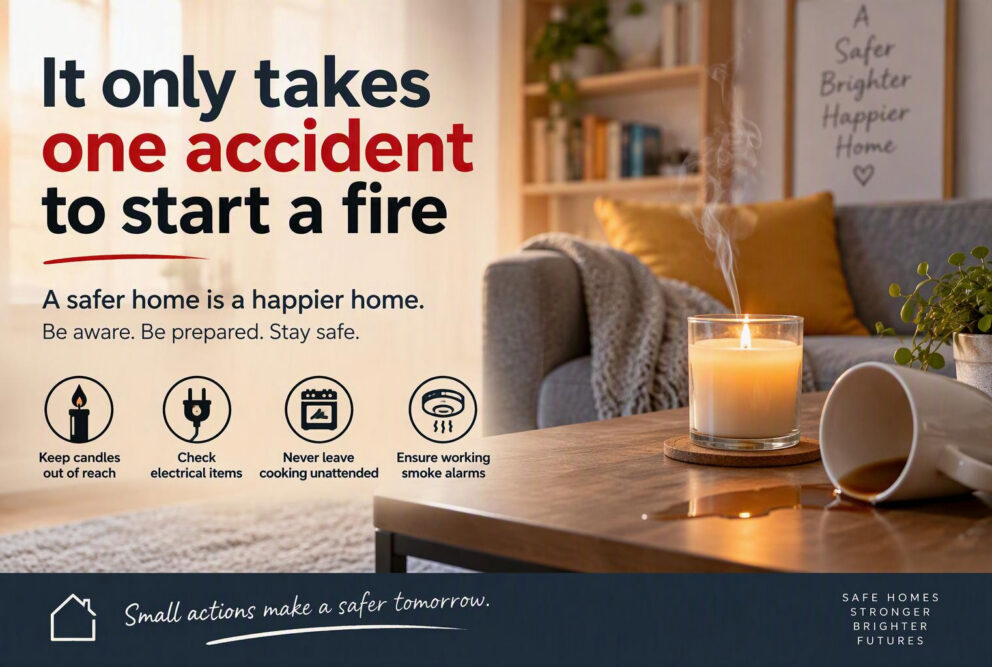
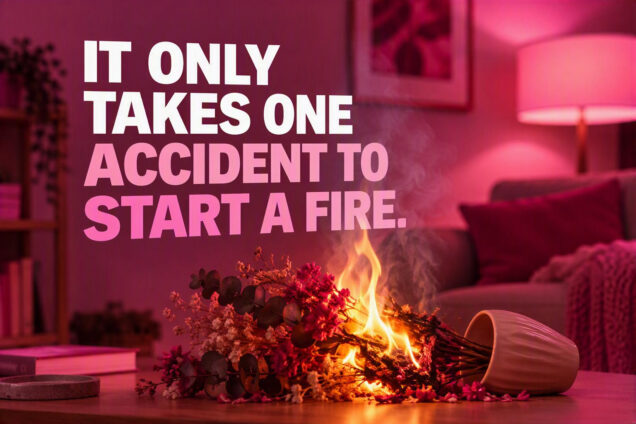
It’s important that we all have a fire safety plan and make sure everyone in our homes knows what to do should a fire breakout. We’ve pulled together some helpful reminders and tips to help keep you safe.
In the event of a fire, if you can, you should evacuate the building and call 999. If you can’t get out, you should stay put, ensuring that you move to a room away from the fire. Be sure to close all doors and put blankets or something similar at the bottom of the door to help prevent smoke entering the room. If you can’t call 999, you should shout FIRE from the window.
If you have any concerns or need to report any issues with a fire door, please contact us immediately on 0113 200 7700
What are Unity Practices:
Blocks of Flats
We are required by law to provide all our customers who live in a multi occupied residential building with fire safety information. We are required toprovide instructions on:
- What to do in the event of a fire.
- A reminder of what the evacuation procedure is for that building.
- Fire door information.
You will find this information displayed within the communal area of your block. We will also ensure any new tenants are made aware of this on sign up. Please make yourself aware of the fire evacuation policy within your building. It will either be ‘Stay Put’ or ‘Simultaneous Evacuation’. There will be fire notices in your building that will show you the policy.
If your building has a ‘Stay Put’ policy, and unless a fire breaks out in your property, stay put and wait for the fire service to attend.
If your building has a ‘Simultaneous Evacuation’ policy, evacuate the building by the nearest fire exit to a safe distance from the building. Once it is safe to do so please call 999 and wait for the for service to attend.
Fire Risk Assessments
We carry out a fire risk assessment (FRA) of all buildings that share communal spaces. The frequency of these assessments is determined by the assessor and the perceived level of risk within a block. Usually, assessments would take place every two years. We do this to keep you safe, but also because we want to understand more about what risks there are in your home and how we can improve safety.
We work with a company called Pennington’s who are responsible for carrying out FRA’s on behalf of Unity. Their fire risk assessors are experts and fully qualified to make sure your building is safe to live in. The assessments undertaken are ‘type 3’ assessments which include all communal areas as well as a sample of flats within a block. You do not need to stay in the property when the FRA is being undertaken. The assessors will have access to all areas required. After the assessment they will provide us with a report which identifies what needs to be done and what level of risk there is. Once we have this, we then take action on any potential risks.
The most important reason we carry out an FRA is to keep you and anyone you may live with safe. If you think one of our buildings is unsafe or there is a risk of a fire, then please let us know immediately. You can contact us on 0113 200 7700 to report this via telephone or Get in Touch online.
What else does Unity do in regards to fire safety?
Every week:
- A third party accredited contractor tests the fire alarms within the blocks.
Every month:
- A third party accredited contractors tests the emergency lighting within the blocks.
- A third party accredited contractors tests the automatic opening vents (AOV’s) within the blocks.
- Housing Officers carry out housekeeping inspections of all communal blocks. They check to ensure all fire doors are free from damage and working correctly, and that escape routes are being kept clear. They also check a number of other items to ensure the blocks are safe and free from hazards.
Every 6 Months:
- A third party accredited contractors tests the dry risers within the blocks.
- A third party accredited contractors services the fire alarms within the blocks.
- A third party accredited contractors services the emergency lighting within the blocks.
Fire Safety Guide:
Fire Safety In the kitchen
- Always test your smoke and carbon monoxide detectors once a week to make sure they’re working
- Keep cooking areas clear from flammable items like tea towels, oven gloves and food packaging
- Never leave pans unattended while cooking and avoid using chip pans Clean your oven and grill regularly – a build-up of fat and grease could cause a fire
- Remember to close your kitchen door if you’re going out or off to bed; if a kitchen fire breaks out this can help buy you valuable escape time
Overloading sockets
- Overloading a plug socket can also cause fires
- Check your electrical appliances are in good working order – if the wires are damaged or frayed don’t use them
- It’s advisable to unplug all items before you go out or go to bed, except for important devices such as telecare equipment
- Never overload plug sockets or plug one extension lead into another – remember appliances like washing machines should have a single plug to themselves as they’re high powered.
Glass ornaments and mirrors
- Think about where you are putting glass ornaments and mirrors – if they’re on windowsills and where they can catch the sun they could cause fires – especially if they’re next to windows and curtains.
Candles and incense burners
- We recommend not to use candles in your home – but if you do, never leave burning candles unattended, keep them away from flammable objects and always put them out before going to bed
- Using candle holders and making sure the candle fits firmly inside to reduce the risk of them falling
- Keep them away from draughts, curtains, furniture, and anything else that can catch fire
- Lit candles of any sort on top of televisions or other plastic surfaces could burn through, so be careful where you place them and use a non-flammable mat
- Keep candles out of the reach of children and pets.
- Never move a candle once it is lit.
- Use a low watt mains or battery lights for children rather than candles.
- Remember to blow out candles when leaving a room or going to bed.
Other areas
- Never leave washing machines, tumble dryers or dishwashers running overnight
- Remember heaters should be kept well away from clothes, curtains, furniture and other flammable materials – make sure they’re switched off and unplugged before you go to bed
- Never use heaters to dry clothes
- Never use a BBQ indoors or on a balcony
- Never use portable gas heaters in your home
Smoking in your home
- Our general advice is not to smoke in your home, but if you do, always check it’s fully extinguished before leaving it
- Never smoke in bed – take extra care if you smoke when tired, taking prescription drugs that make you feel drowsy, or have been drinking
- If you smoke, always use a proper ashtray that can’t tip over
- Be careful if you use emollient creams –they can soak into clothing, bedding and dressings leaving a flammable residue
- Cigarettes, cigars or pipes should not be left unattended – they can easily overbalance as they burn down.
Checks to carry out before you go to bed
- Closing all doors helps to prevent fire spreading
- Switching off and unplugging electrical items such as TVs and avoid charging devices like mobile phones when you sleep are all precautions that help reduce the fire risk
- If you can, try to unplug all non-essential devices
- Make sure candles are out before you go to bed and check your cooker and heaters are turned off.
What to do if a fire breaks out in your home
Whether you live in a house, block of flats or shared accommodation, it’s always helpful to have a plan or know what procedures to follow, in the event of a fire or an emergency. Make sure any guests you have, especially children or other elderly people also know what to do.
If you live in a flat, block or shared accomodation
- Be familiar with your fire procedure for your block / flats as these may vary depending on where you live
- Keep exits clear from clutter and obstructions
- Keep your door and window keys in a known and accessible place
- Think of a second escape route in case the first one is blocked
- If you have an emergency pendant, make sure you wear it and have it close by when you go to bed.
In a lone property
- Plan an escape route and make sure everyone in the home knows this in the event of an emergency
- Make sure any guests you have, especially children or other elderly people also know what to do.
Our guide to fire doors
What is a fire door?
Fire doors are flat entrance doors that allow access to your home, from a shared or communal area, and are designed to withstand fire for at least 30 minutes. They provide protection from fire and smoke. Fire doors are a legal requirement for flats which open onto communal areas shared with other tenants. This is to make sure crucial escape routes are protected if a fire breaks out.
The door will have a self–closing device attached to it and either the door edge or the door frame will have strips which swell up when heated, sealing any small gaps in the event of a fire. They may also have cold smoke seals (which look like small brushes) to provide extra smoke protection.
All fire doors/self-closing devices should be regularly checked and maintained to ensure that they are operating correctly.
Why are fire doors important?
A fire door ensures that should a fire break out, it can be contained in a ‘compartment’. This keeps the fire and smoke trapped for a defined period, allowing time for people to get out and make the fire easier to tackle.
They are designed to automatically close behind you in the event of fire, holding flames back and stopping the spread of the fire and toxic smoke into escape routes, corridors and other flats in the block. Used correctly, they stop fires from spreading through a building, giving people time to escape and for the fire and rescue service to attend, making it easier to tackle the fire.
Is it important that fire doors and their self-closers work properly?
They offer protection by limiting the spread of smoke and fire into shared or communal areas and escape routes. But the door seals and self-closing devices only work effectively if you fully close the door, every time you use it.
You should not need to pull your door closed to ensure it closes securely into its frame. It should fully close itself every time. If your flat’s fire door does not fully shut every time you use it, or you are having problems with the self-closer device, you must let us know immediately. We will come and adjust your door to make sure it closes properly.
We will regularly check the fire doors to ensure they are working as expected. However, we need residents help in between by following the do’s and don’ts listed below.
Do
Don’t
Fire door check list