
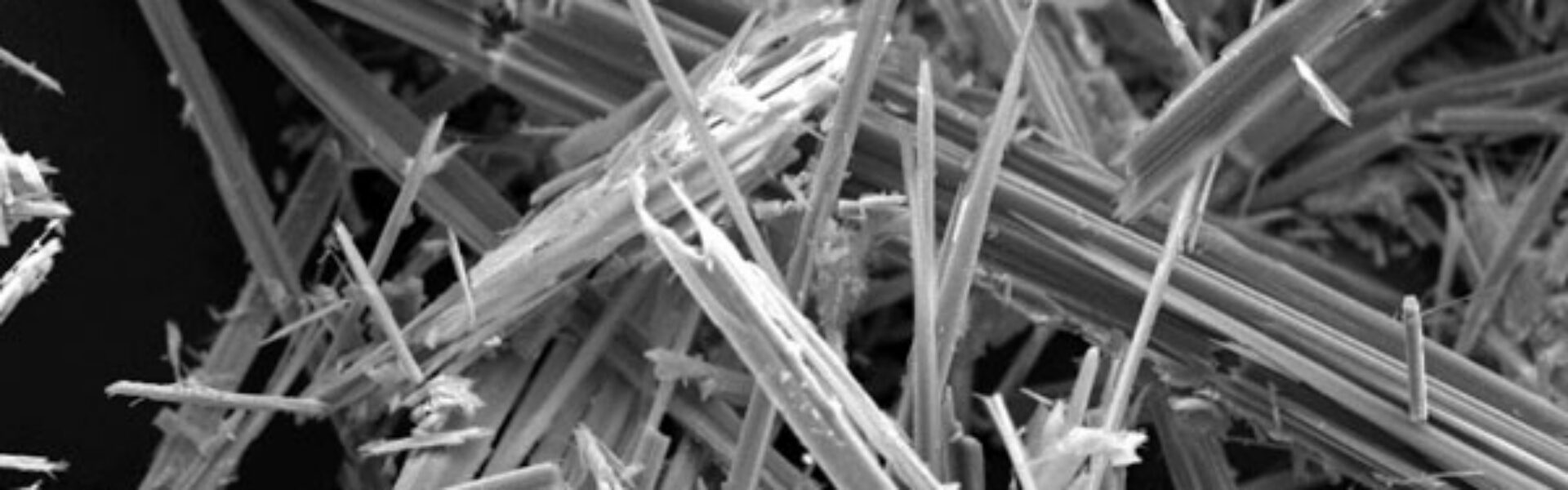
What is asbestos and why is it an issue?
Asbestos is a material that was used in buildings from the 1950s until
the use of it was banned in 1999. The construction industry often used
asbestos between the 1950s and 1980s to keep homes warm and to
fire-proof buildings.
It only becomes dangerous if materials containing asbestos are
damaged or deteriorate with age. This deterioration or damage can
increase the risk of asbestos fibres being released, leading to potential
damage to your health.
It is very unlikely that the levels of asbestos-containing materials in your
home will be harmful. Despite this, you must seek advice from us on
what action to take if you think asbestos is present.
Where would I find asbestos in my home?
The following are examples of areas and appliances where
asbestos may be found:
- Insulation panels e.g. panels for boxing in pipes or heating
systems - Some ceiling tiles
- Eaves/soffits (roof overhang)
- Corrugated cement sheeting (usually found on sheds or
garages) - Flue pipe to boilers or fires
Some decorative textured coatings (commonly known as
Artex). - Vinyl or thermoplastic floor tiles
- Rainwater pipes and gutters
- Outhouses, sheds, garages, or loose pieces in the garden.
What are we doing about asbestos in our properties?
We won’t touch asbestos unless it’s damaged or a repair, improvement or alteration is taking place near where it’s been used in a property.
This is in line with current legislation and guidance from the Health and Safety Executive (HSE). Don’t forget, as long as whatever contains the asbestos is in good condition, it doesn’t pose a risk to anyone.
What should you do about asbestos?
- If any materials you think may contain asbestos have been disturbed or become damaged, contact us immediately.
- You should also contact us before doing any DIY work.
- Don’t jet-wash or clean asbestos cement roofs or corrugated garage or shed roofs.
- And don’t remove old floor tiles or linoleum which could contain asbestos.
- Before you get rid of items such as cookers, ironing board pads, fire blankets and oven gloves, which may contain asbestos, contact your local authority for advice.
Whose responsibility is it?
As a customer living within a Unity property, you are responsible for raising any concerns in relation to asbestos. As soon as concerns are raised, they will be thoroughly triaged to determine what action Unity needs to take. Under the terms of your tenancy agreement, Unity would be responsible for ensuring any follow on works required are dealt with.
For leaseholders (homeowners) or freeholders the responsibilitles are slightly different. You would be responsible for all fixtures and fittings within the property. This includes textured coatings such as artex and floor tiles. As your landlord, we’re responsible for the structure of the building and communal areas.
It’s best to leave any items you think contain asbestos in place as long as they’re in good condition. For example, if you want to lay carpet on top of floor tiles, use tape to hold the carpet down instead of carpet gripper rod, as this could damage the floor tiles beneath.
Please do not undertake any works that may disturb any potential asbestos in your property without first consulting with us.
If you have any asbestos related queried please feel free to send these through via email to [email protected] or alternatively call use on 0113 2007700 and ask to speak to a member of the Compliance Team.